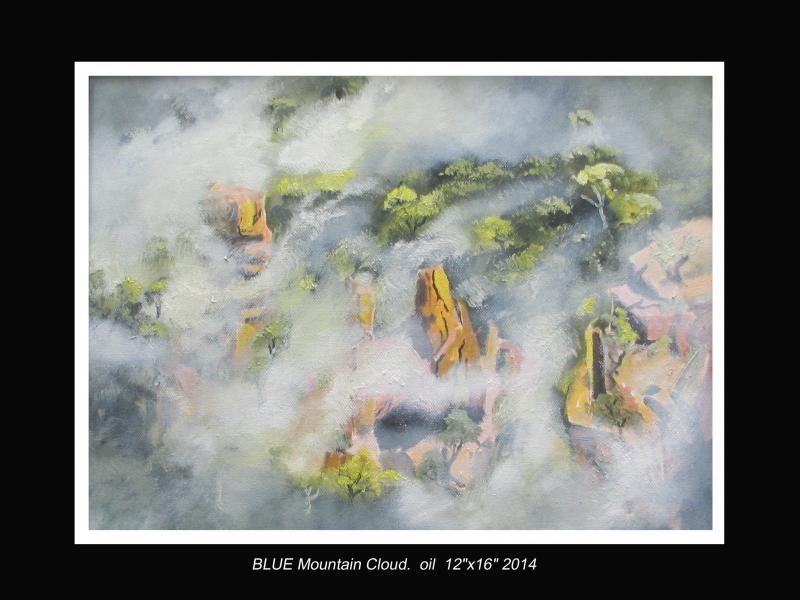
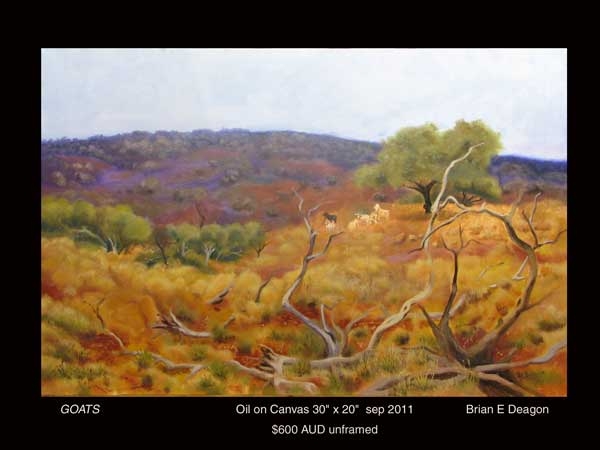
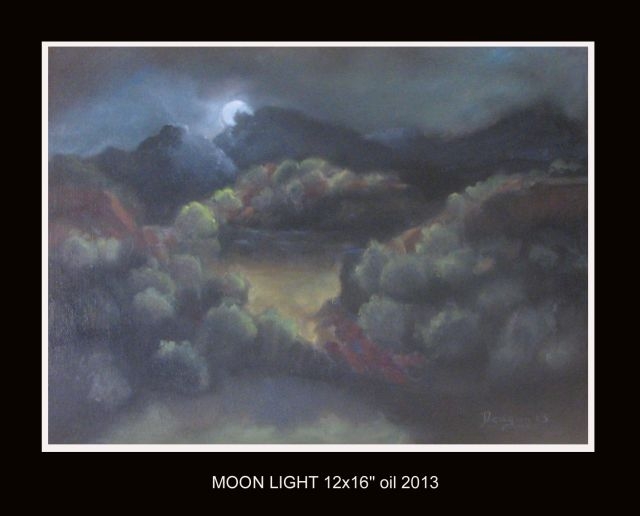
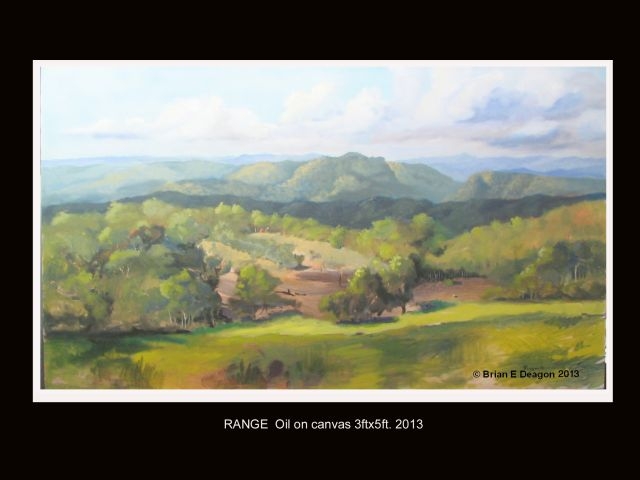
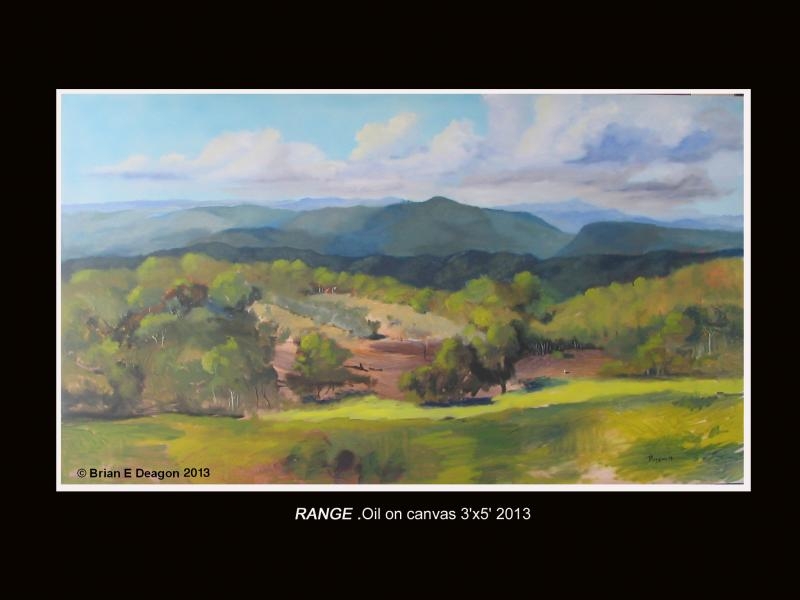
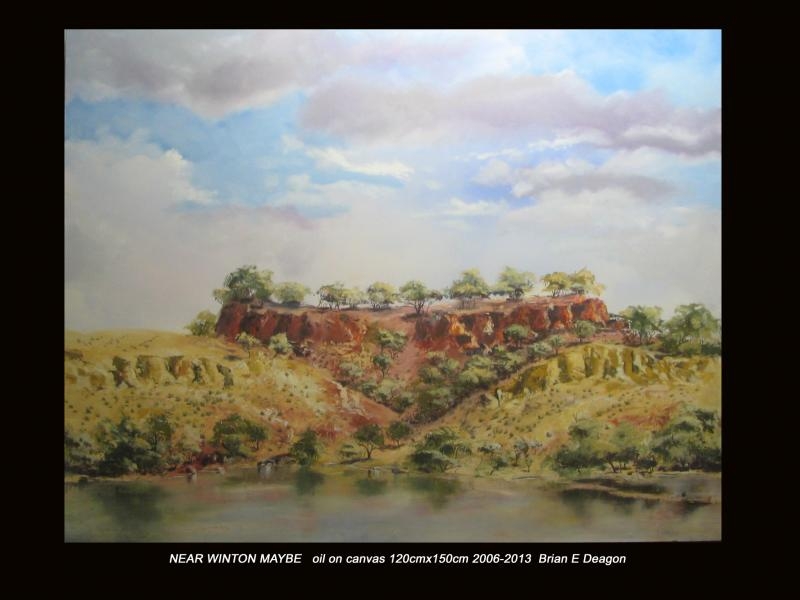
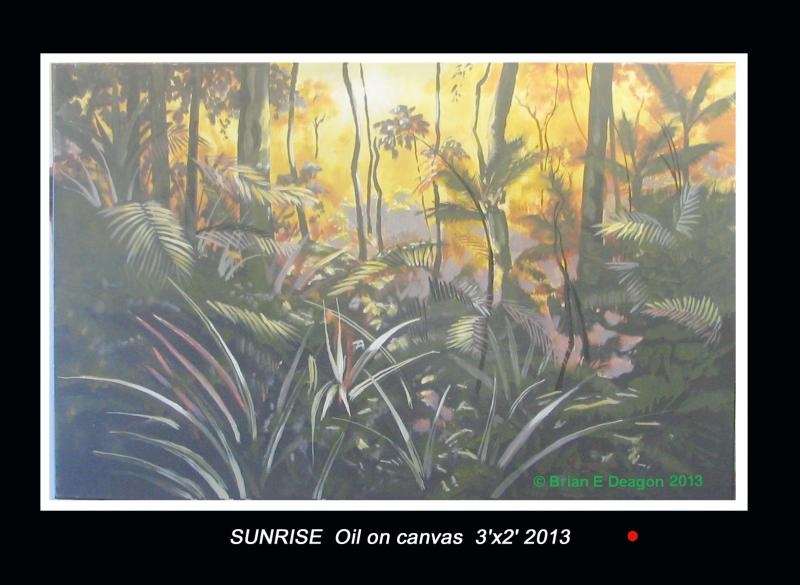
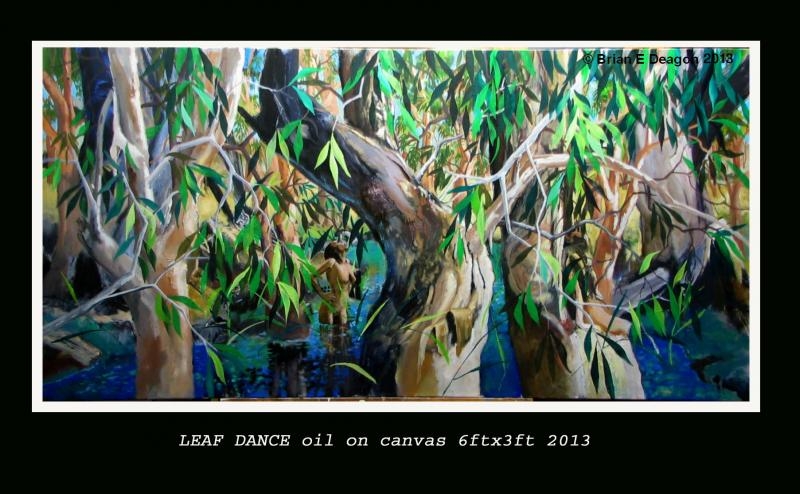
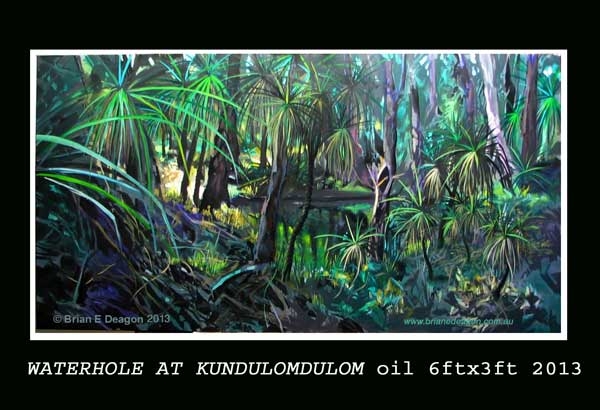
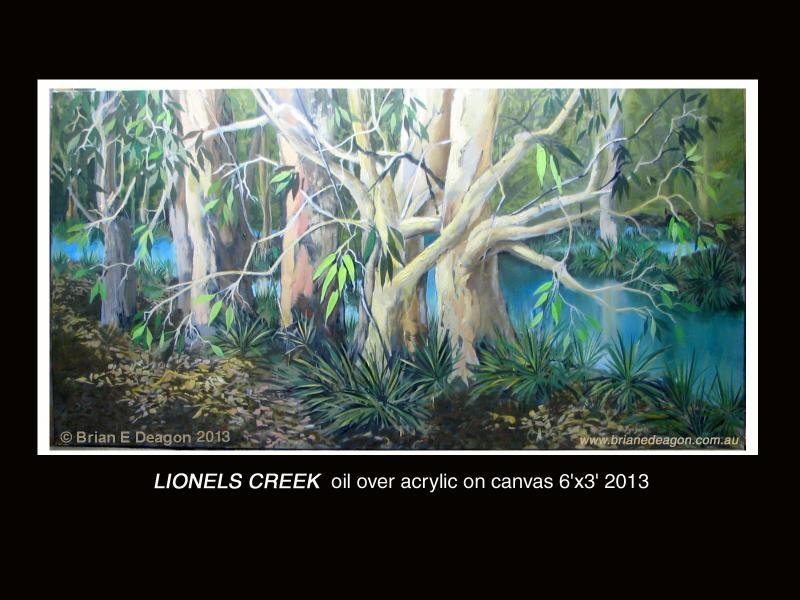
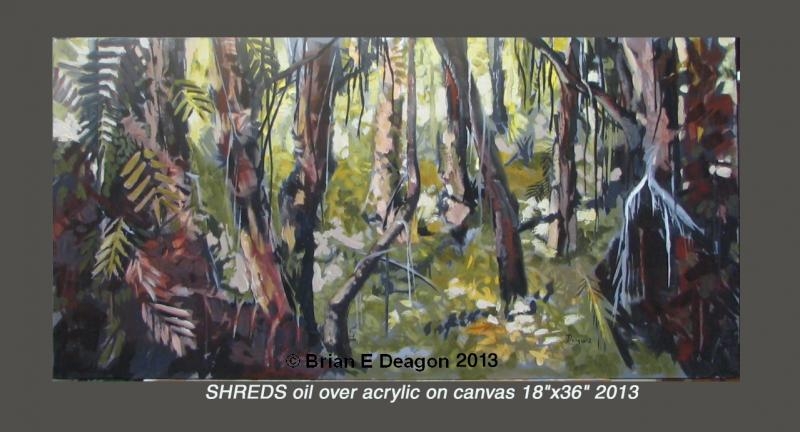
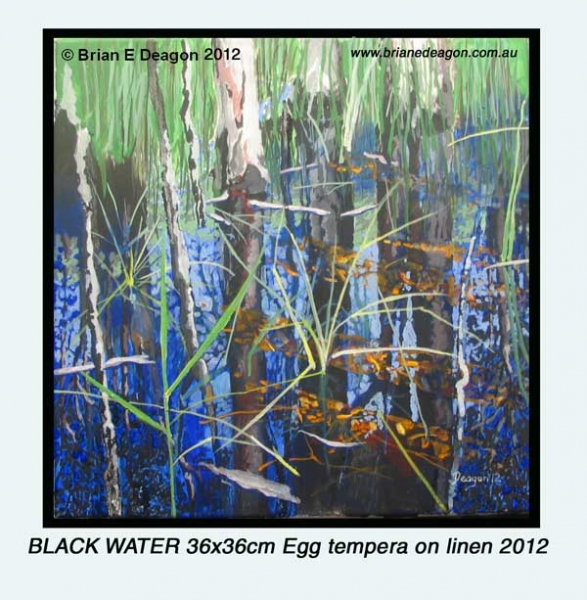
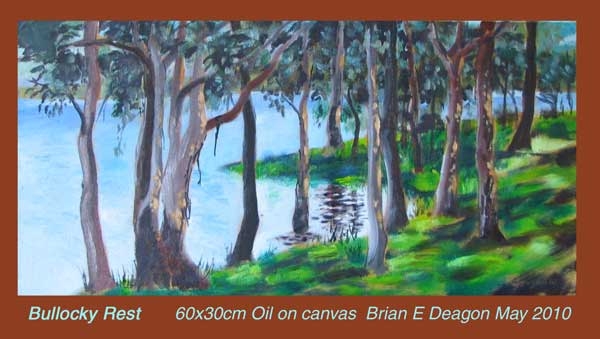
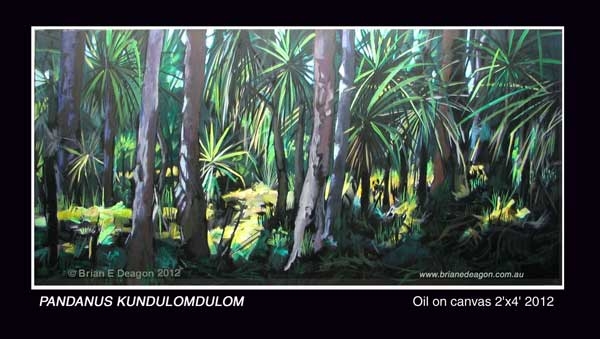
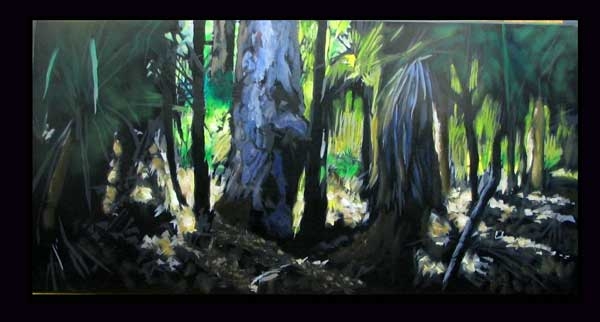
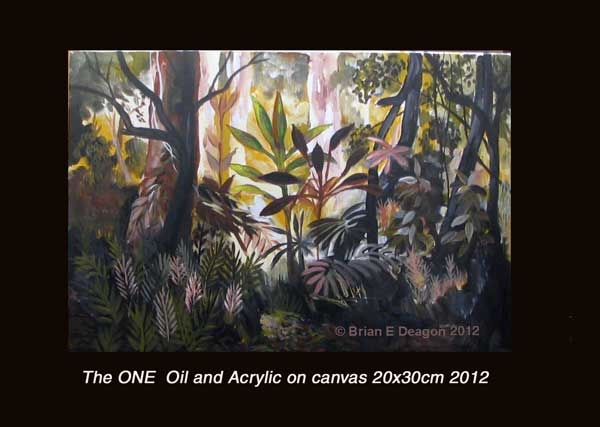
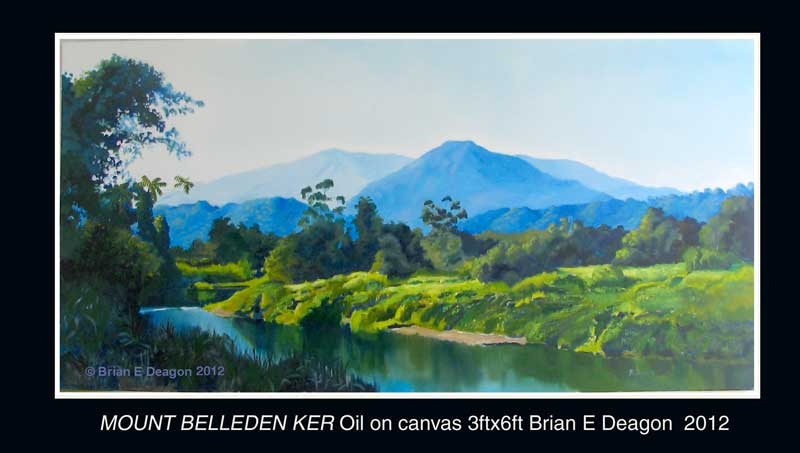
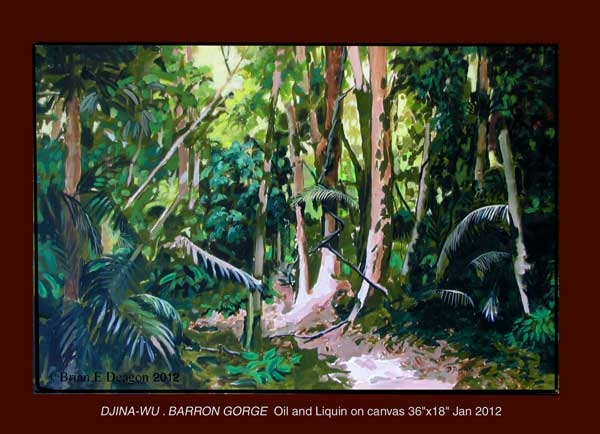
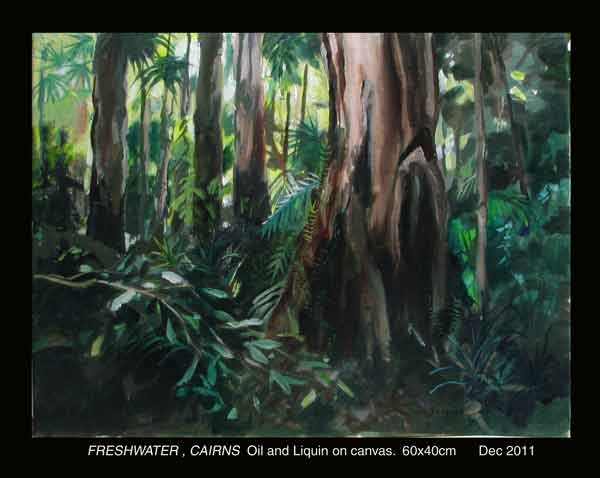
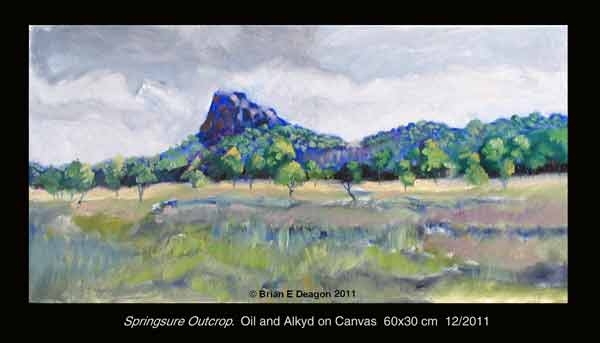
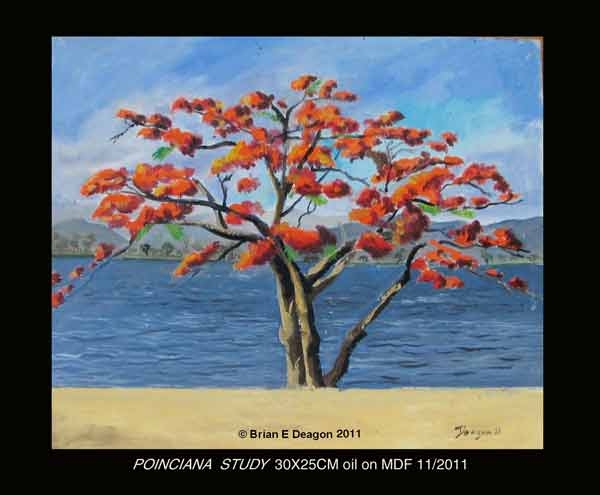
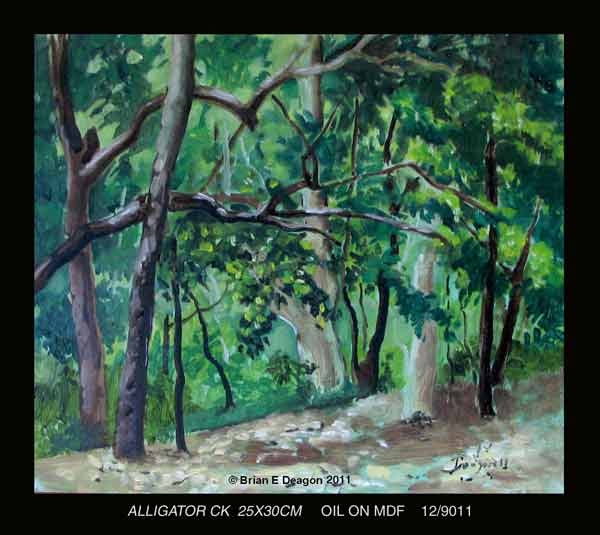
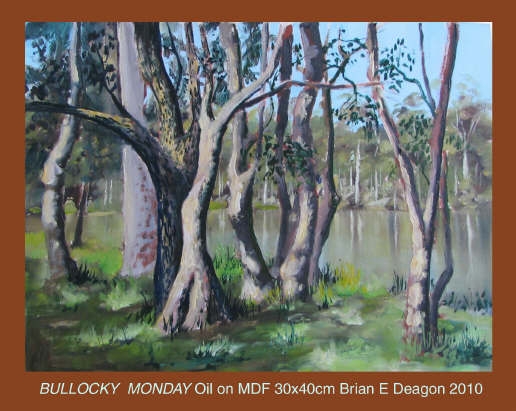
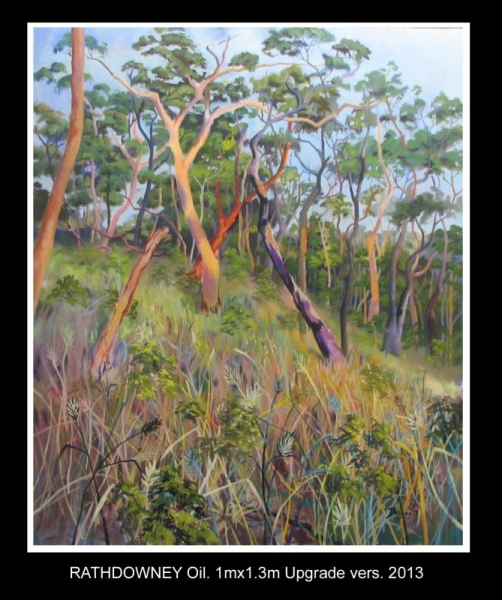
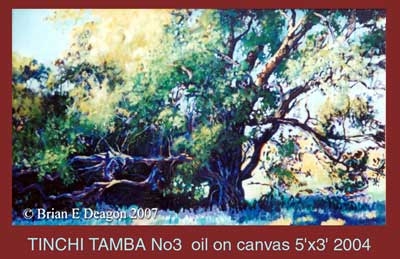
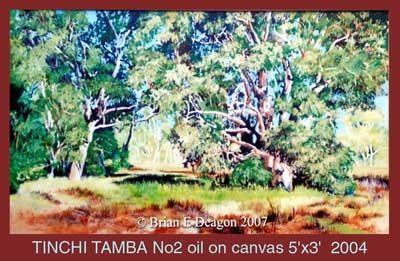
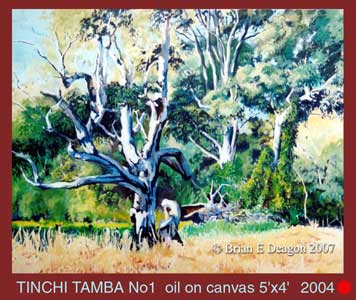
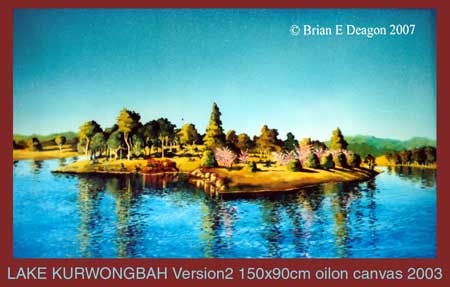
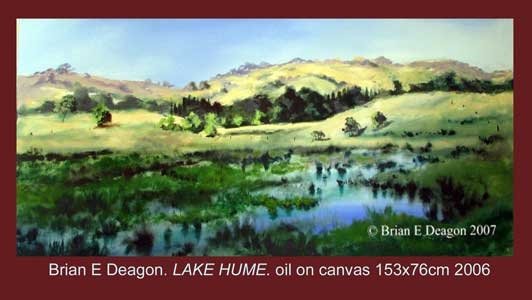
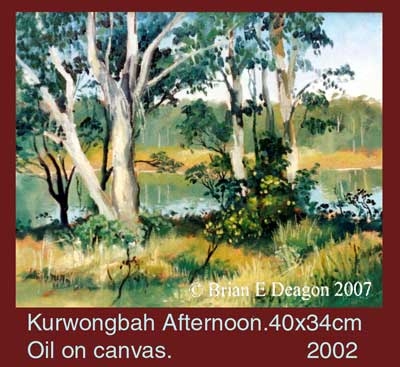
I hadnt done a landscape for a while. Nearly ready to populate landscape with my nudes, much to everyones chagrin.Bought Patricia Moran book and DVD.Looks like a fun way to paint, and it looks like Sargeant!...Preselected for Moreton Bay Art Prize 2010.
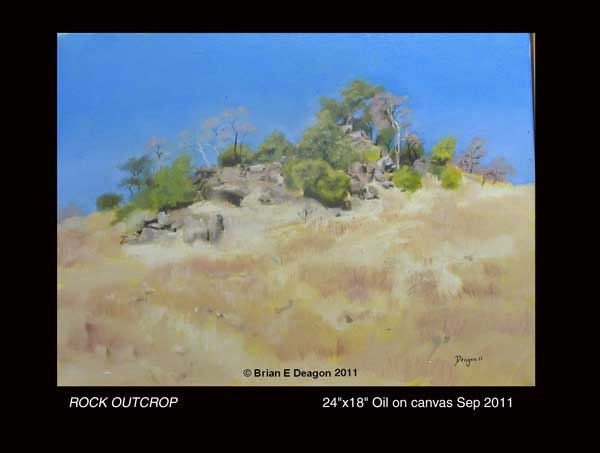
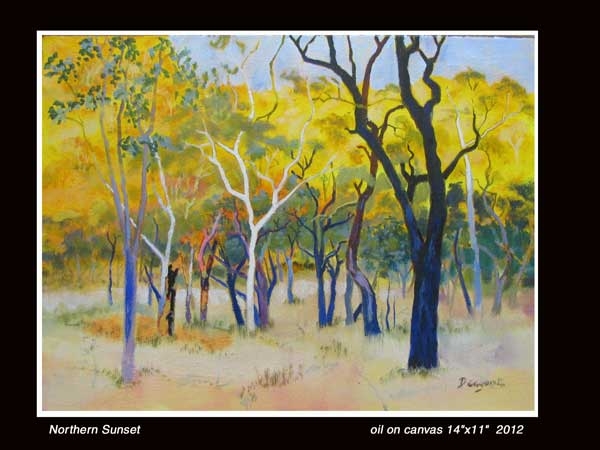
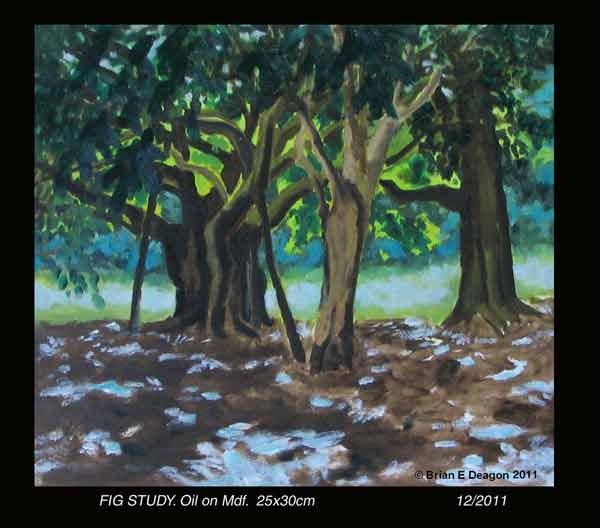
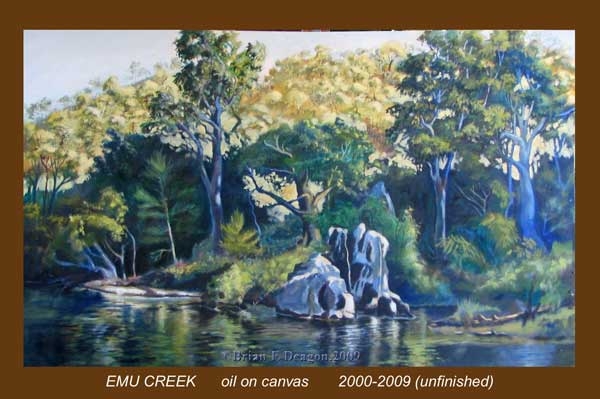
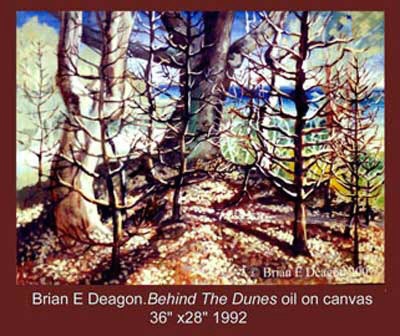
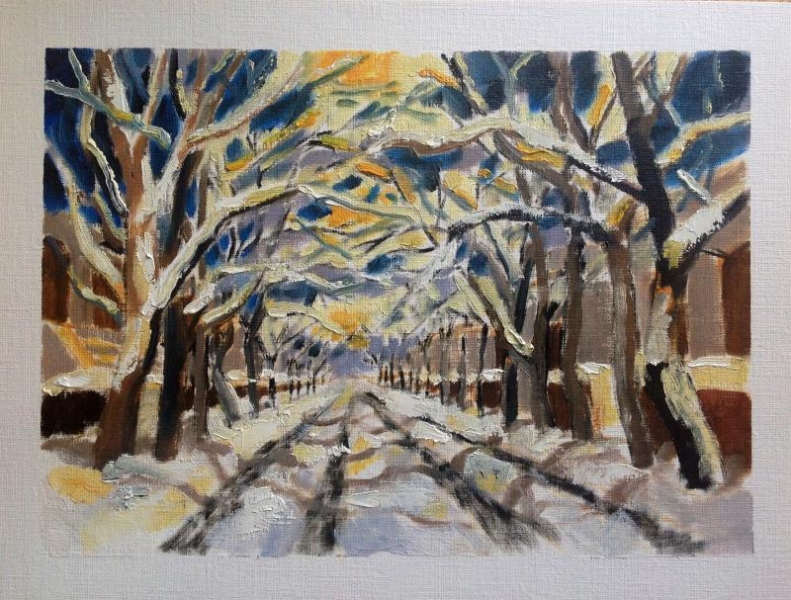
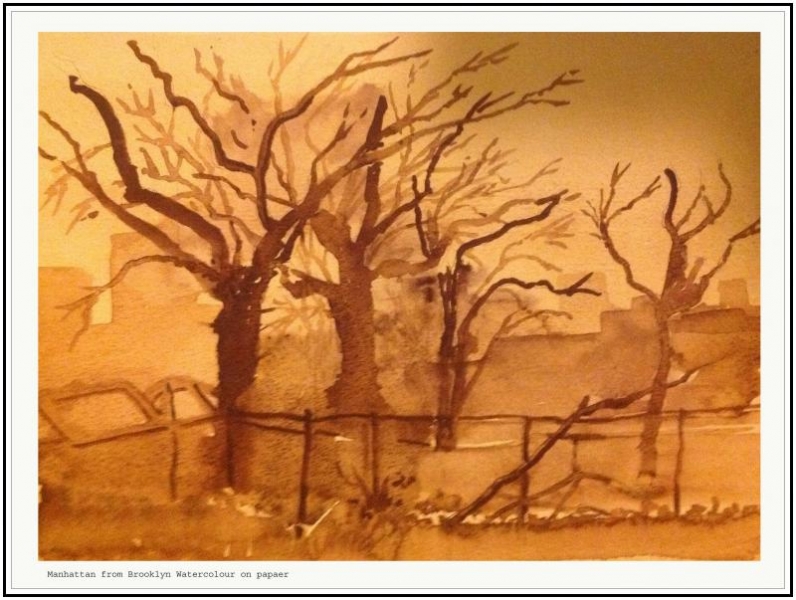
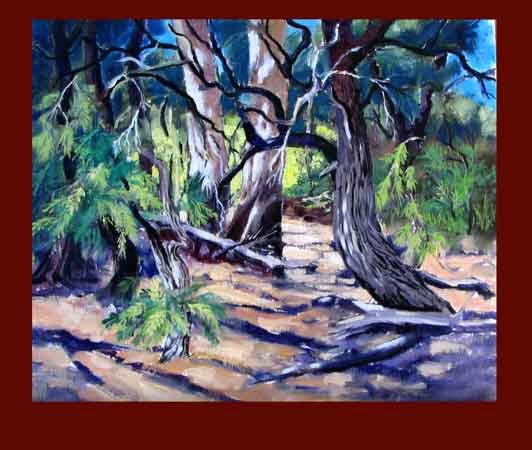
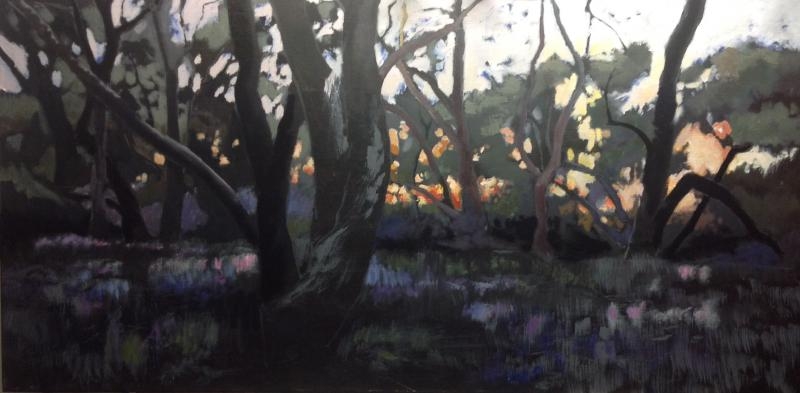
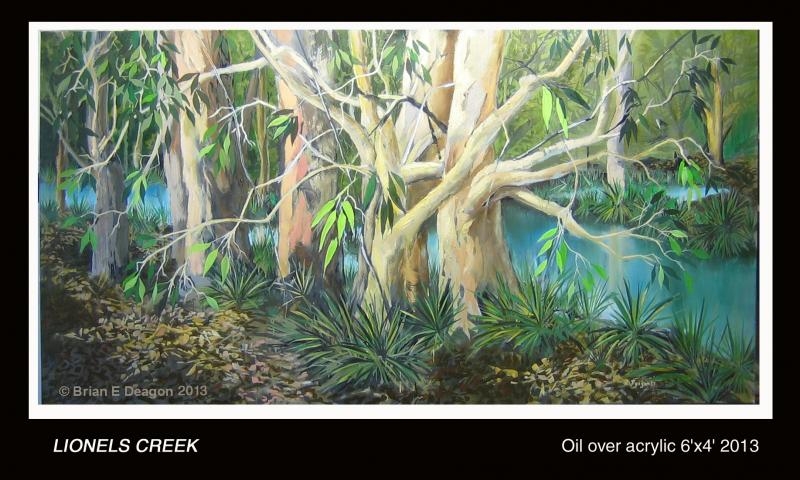
Ages since I had painted a landscape plein air. The branches were so complex, and the colour so bleached by the sun, I really had difficulty. Needed lots of retouching in the studio later. Impressionism its not.
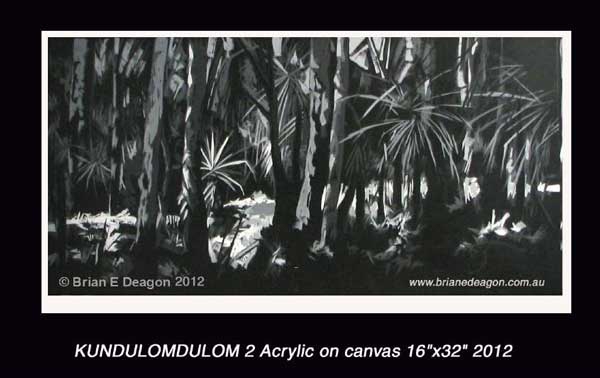
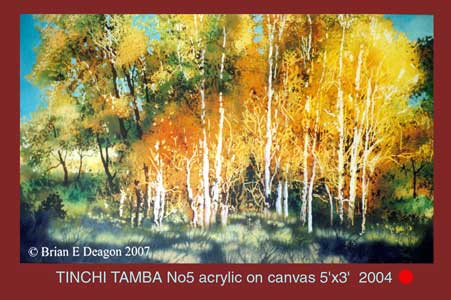
Aware that I was unthinkingly keeping to a fixed distance from the bush I was riding one afternoon with my youngest when confronted by the light( its nearly always the light) on this tree trunk. The idea of masking and airbrushing occurred instantly, but I needed to explore its potential in Tinchi Tamba No5 first. There is a directness and balance between "mark making" and "image making" here, that I find intriguing. There is a tension between "is it a mark or is it a tree?" and that tension provides the atmosphere of apprehension.
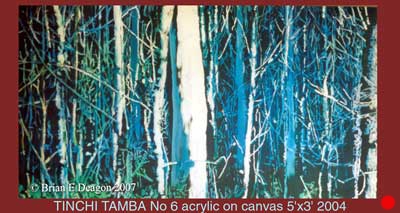
Tinchi Tamba was becoming a bit of an obsession. Here I realised that to leave the undercoat as white in the details such as the thin verticals, that I would have to mask. So I started using latex,and that led to sprayed acrylic,but the process was now reversed, and I was working from light to dark.Not only that, but each layer had to be masked.Progressive layers added to the amount of latex, and the picture got darker and darker. Finally I was working almost totally blind on a black surface. Only when the latex was removed could I see what I had been doing.I then used real grass as a stencil with a pale blue green to get the effect of frost on the grass.
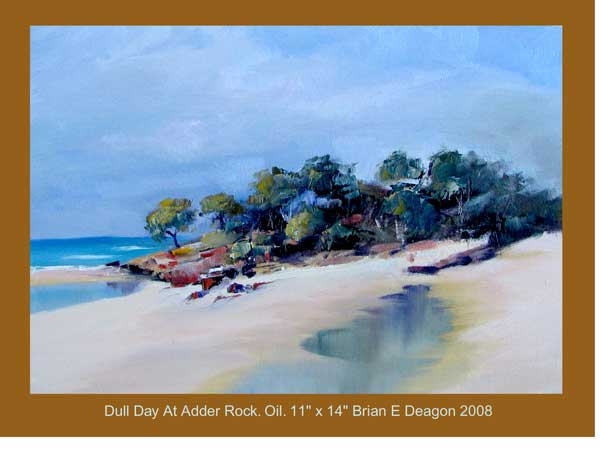
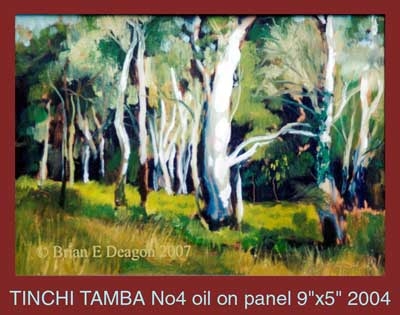
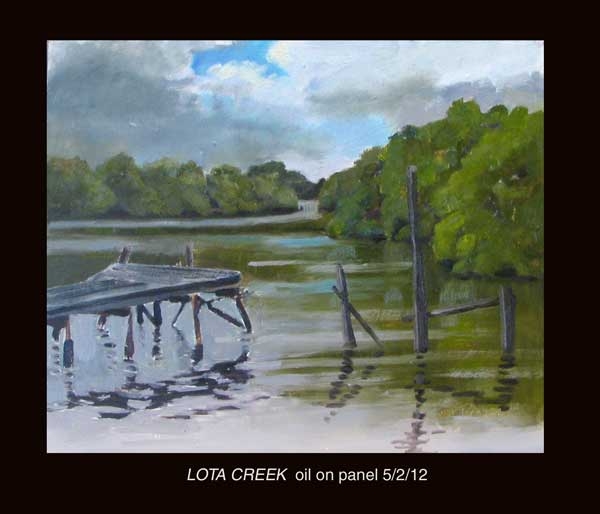
Australian Impressionism had an important exhibition called the 9 by 5. Inches that is. That's the size of the wooden cigar box lids they often painted on. Incidentally, the Australian version of impressionism is based on the tonal approach of Whistler, not the French broken colour technique. This little piece was done in situ.
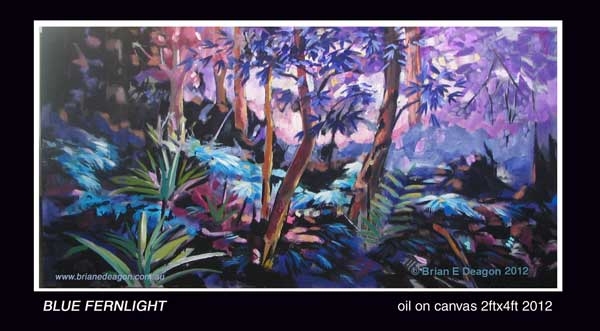
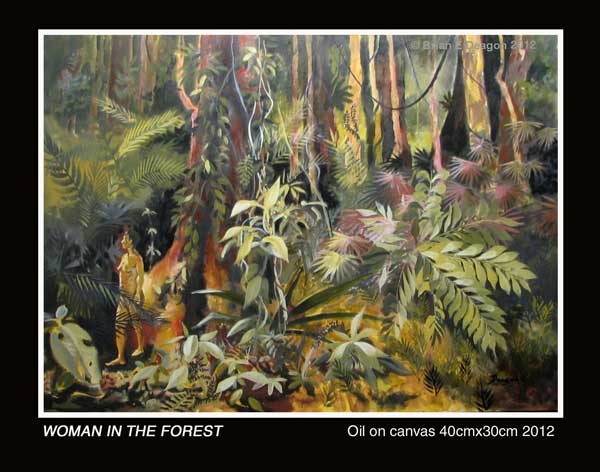
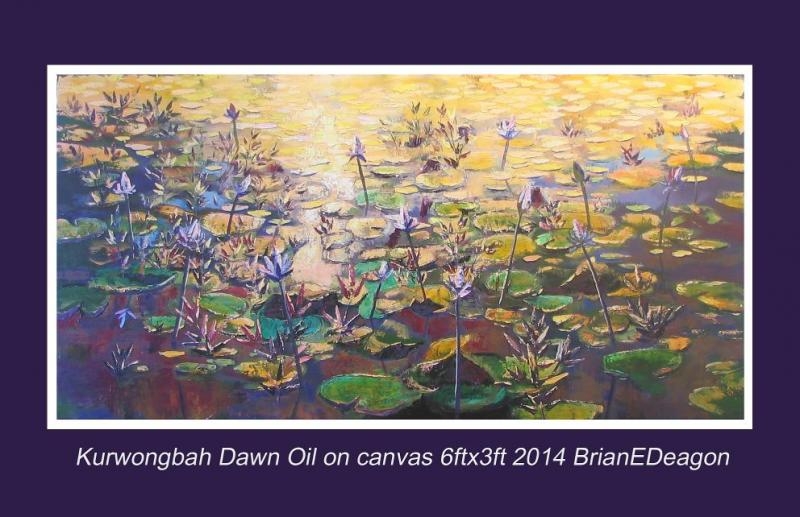
This particular version uses a "rainbow" palette around the edges of forms. I was looking for a way of relieving the palette of blue and green and make more of the light, and its way of creating mysterious spaces. Running through the open light and resting in its shaded places as a child, I realized I, too, was just another animal like the wallabies and lizards and snakes. We shared this world.
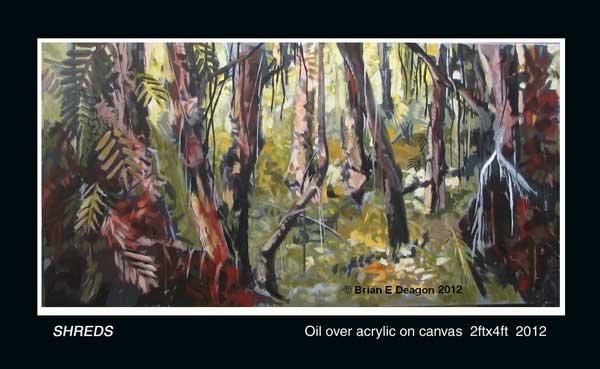
Tinchi Tamba is a coastal wetland near where I live. This habitat was my haunt as a young boy. I would run for kilometres just to see what was around the next corner. Painting these places would be a long but pleasurable process. Working long hours as a teacher and Head of the Arts faculty at a local high school meant that it would be days between being able to work on the paintings. I developed a technique based upon this circumstance.
This large painting established a working practice. The darks (ultramarine and burnt sienna) were drawn in very carefully first,and in detail.Then progressive layers were built up, getting lighter with each layer. But since no white was as white as the original undercoat,it was left.
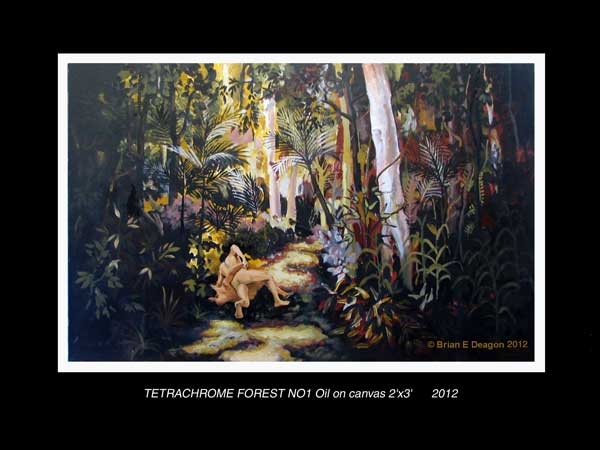
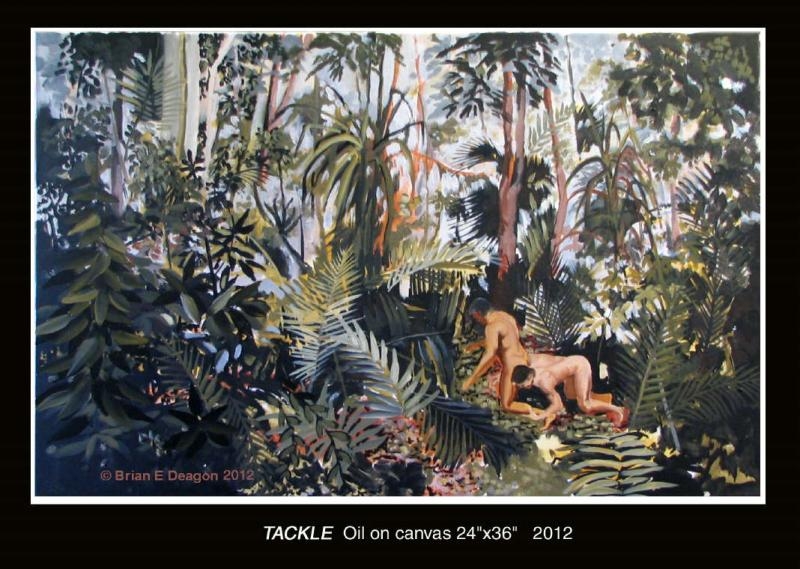
Second large tetrachrome. This time the emphasis was greens and purples in a light tone. The little fighting animals really stand out in the clearing their wrestling has created.
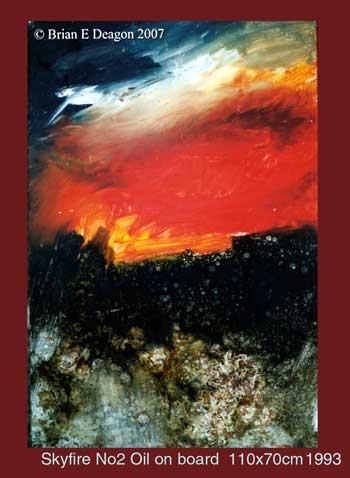
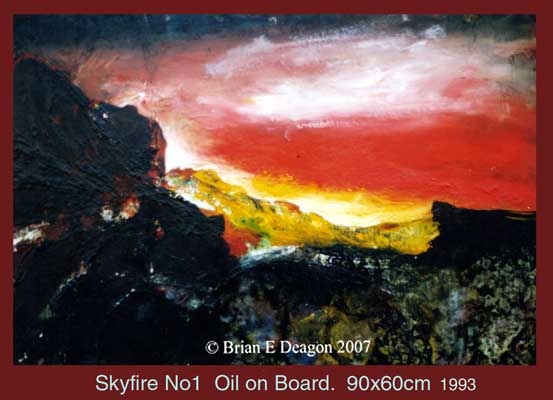
The second of two experiments with apocalyptic skies. A lot of finger painting.
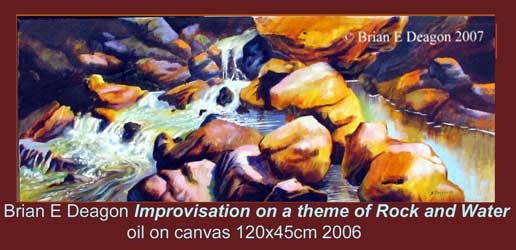
There are times when I want an apocalyptic sky. I had been working in bitumen on kraft paper on pictures of avenging angels. This was an experimental piece. The rocks are textured by an old trick.
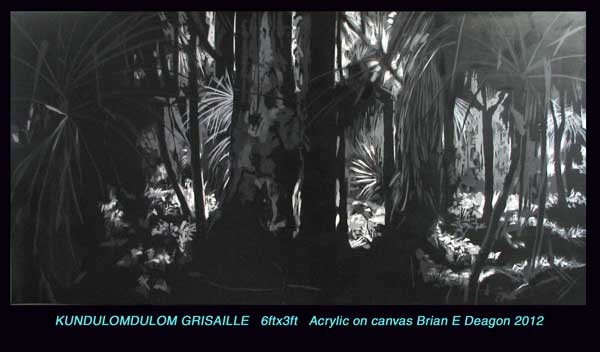
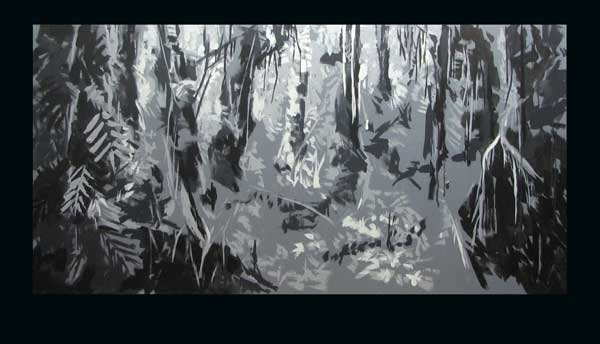
Acrylic grisaille and oils over. back in my studio.
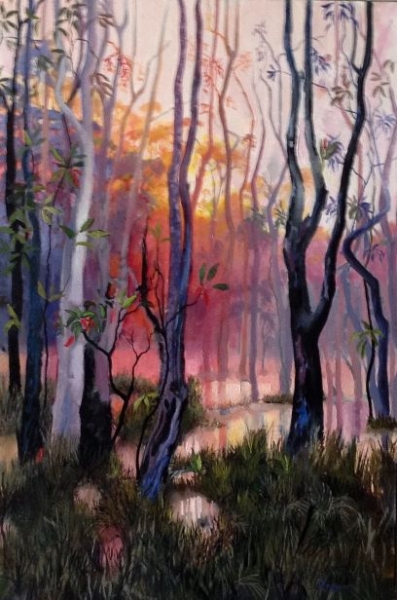
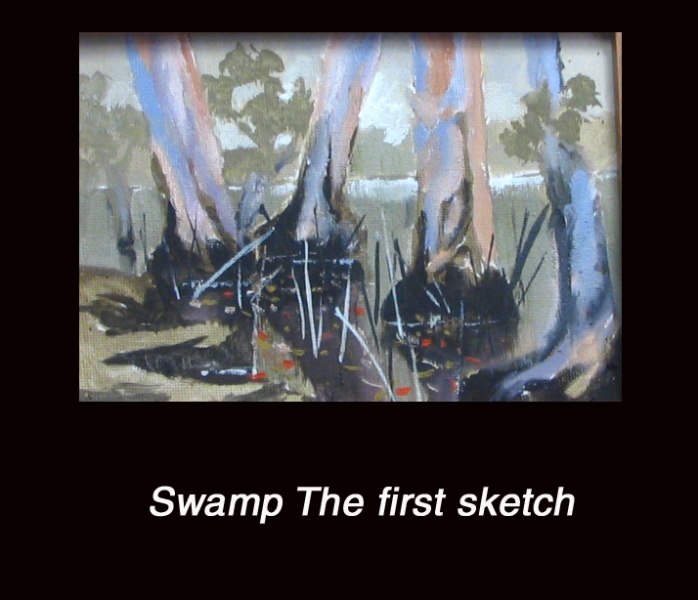
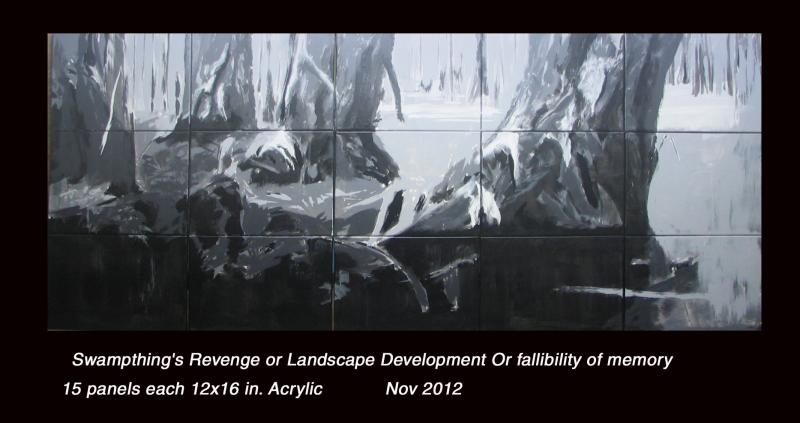
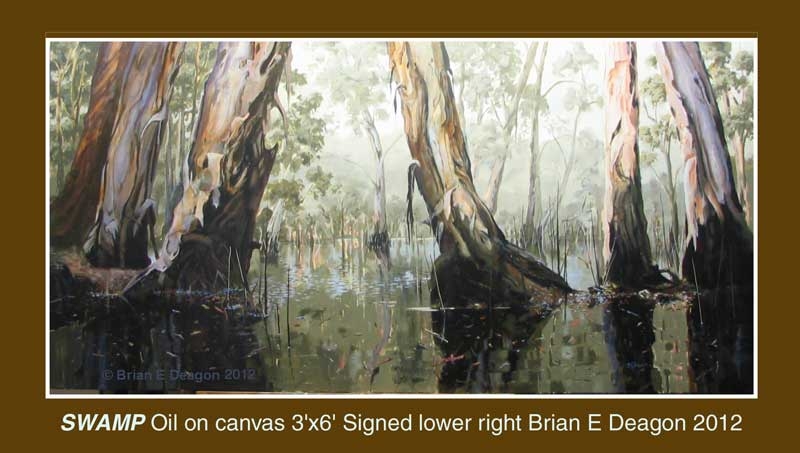
Swamp is an imaginary place. Between the abstract expressionist "mark making" and the primal aesthetic of mimetics, its where the magic is. It has taken several months to complete
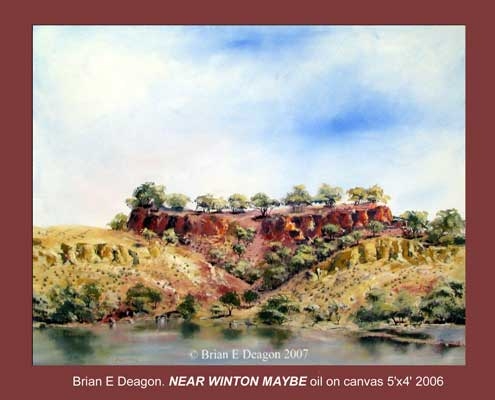
Driving from Brisbane to Darwin is quite a way. On the way up I passed through a landscape that I made a mental note to return to, to photograph and draw. It's the same landscape in The Proposition, the Nick Cave movie, something I didn't know at the time. On the return trip I missed the target by 400 kilometres! I hadn't used a knife for a long time, but wanted to inject some painterly excitement to the process. And there was no water, but the land was crying out for it. Something really strange happens when you combine the ancient wildness of this country with a formal, symmetrical structure. Delafield Cook exploits this phenomenon.
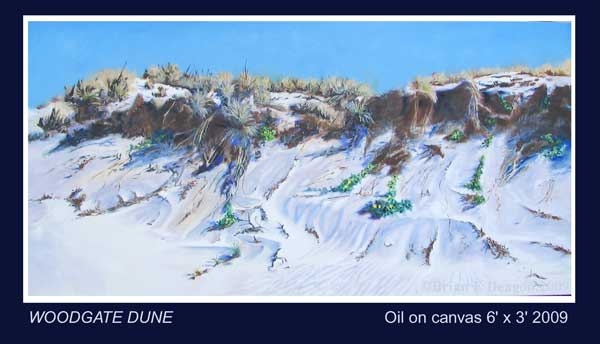
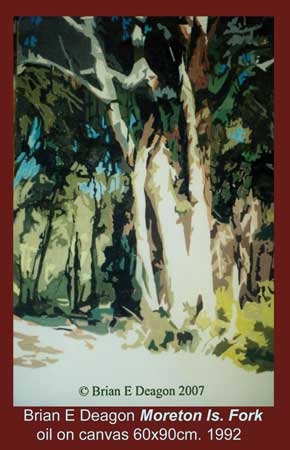
Moreton Island is a huge sand island traversed these days by 4WD tracks. It's a very beautiful place, accessible by barge. I was looking for an equivalent underpainting technique for landscape as in figures. Here, I have left it as is, for it has its own aesthetic.
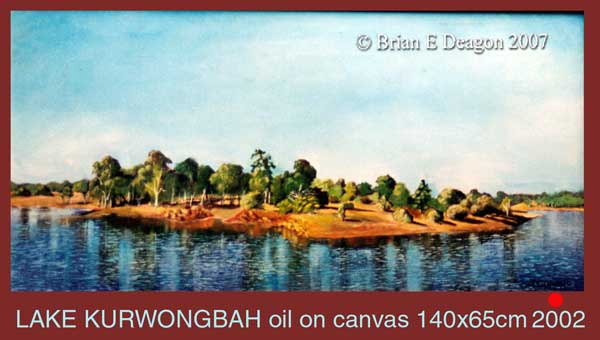
Version No1 was purchased at auction, and I really missed it. So I painted another. This time I added the orchard trees in flower, trying to make the point again that this landscape is a manmade artifact. My original inspiration, however, was the beautiful reverse curve of the lake's edge. At either side the water seems to cut back behind what appears to be an island. Freud and Jung could play with my facination with islands.
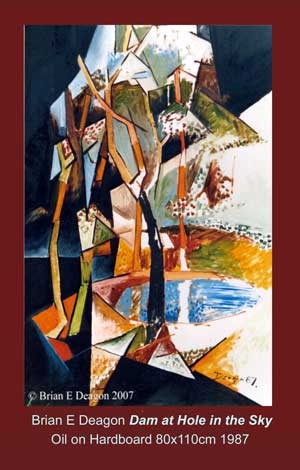
I love driving through this vast landscape, and it's the water places that provide the punctuation. I didn't realise it at the time, but this area drying out was a foretaste of what was turning into the longest drought in our history. People often ask me why I don't put people or birds or animals in my paintings. I think they are missing the point. These grazed hills and dam backwaters are a completely man-made landscape. There is little nature here. In fact, there was a broken old shell of a boat. It was too obvious a symbol, so I left it out.
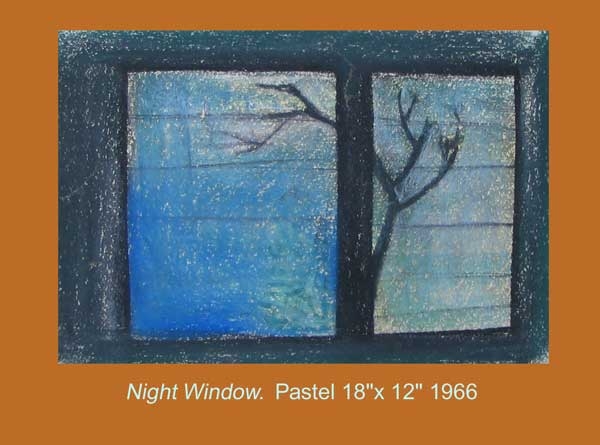
One very pleasant afternoon with a friend who also painted. I tend to be attracted to these freize-like progressions across the picture plane, with the background split into horizontal bands, thus forming a grid-like structure for the image. It's not that I can't do anything else, or that it happens unaware. I like the formality of it for some reason. Heraldic perhaps?